Source of info:https://assets.publishing.service.gov.uk/government/uploads/system/uploads/attachment_data/file/218695/env-impact-landscape.pdf
Landscape-
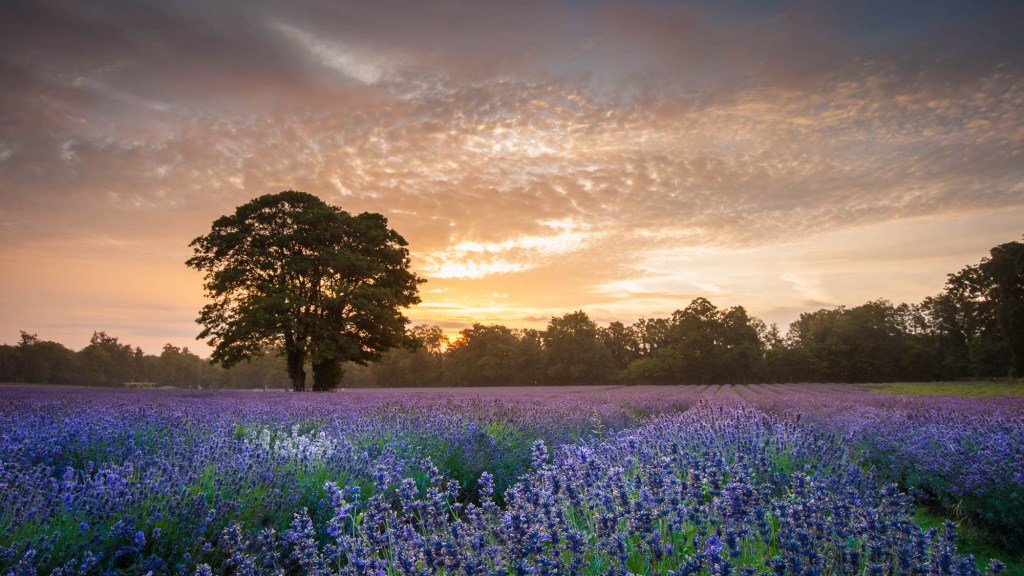
Landscape is about the relationship between people and place. It provides the setting for our day-to-day lives. The term does not mean just special or designated landscapes and it does not only apply to the countryside. A landscape can mean a small patch of an urban wasteland as much as a mountain range and an urban park as much as an expanse of lowland plain. It results from the way that different components of our environment – both natural (the influences of geology, soils, climate, flora, and fauna) and cultural (the historical and current impact of land use, settlement, enclosure, and other human interventions) – interact together and are perceived by us. See below for an example of a landscape:
The Landscape as an Ecosystem Service:
A landscape can be viewed in two separate ways. The first relates to the landscape as a spatial unit and secondly as a service provided by environmental and socio-cultural assets. Although considering landscape as a spatial scale in which to assess ecosystem services is useful, it is not the focus of this guidance. This guidance focuses on landscape as a service. Landscape services and benefits in this respect can be divided into two categories
landscape as a resource in its own right, dealing with changes in the fabric, character, qualities, and quality of the landscape and requiring expert knowledge of factors such as, for example, landscape character, typologies, distribution, rarity, condition, and quality
visual qualities and the effects these may have on aesthetic experience and visual amenity.
Therefore when considering the impact of your policy on landscape these two types of benefits and services should be considered.
The Landscape as an Ecosystem Service– Landscape can be viewed in two separate ways. The first relates to landscape as a spatial unit and secondly as a service provided by environmental and socio cultural assets. Although considering landscape as a spatial scale in which to assess ecosystem services is useful, it is not the focus of this guidance. This guidance focuses on landscape as a service. Landscape services and benefits in this respect can be divided into two categories. landscape as a resource in its own right, dealing with changes in the fabric, character, qualities and quality of the landscape and requiring expert knowledge of factors such as, for example, landscape character, typologies, distribution, rarity, condition and quality2 ; visual qualities and the effects these may have on aesthetic experience and visual amenity. Therefore when considering the impact of your policy on landscape these two types of benefits and services should be considered.


Very nicely set out, good area of research. When you go on site in Devil’s Bridge, consider the points made on the government website.
LikeLiked by 1 person